Industrial Wastewater Treatment Systems: Improving Efficiency and Environmental Protection
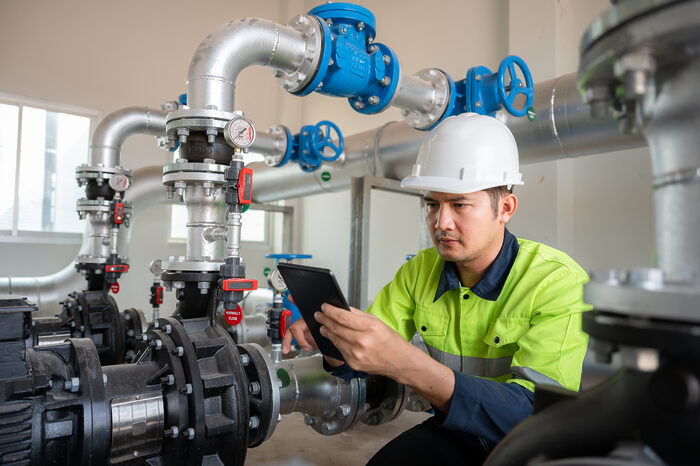
Industrial wastewater treatment systems are essential for businesses that generate contaminated water through manufacturing, processing, cleaning, and other industrial activities. These systems are designed to remove pollutants, harmful chemicals, suspended solids, oils, and other contaminants before wastewater is discharged, reused, or returned to the environment. With increasing environmental regulations and growing awareness of sustainable operations, effective wastewater treatment has become an important part of modern industrial management. Visit: vacuum evaporation systems
What Are Industrial Wastewater Treatment Systems?
Industrial wastewater treatment systems are specialized solutions developed to treat water produced by industrial processes. Unlike domestic wastewater, industrial wastewater can contain complex mixtures of chemicals, heavy metals, organic compounds, oils, grease, and other materials. The treatment process therefore needs to be selected according to the type and concentration of contaminants present.
Depending on the industry, treatment systems may include physical, chemical, biological, or advanced treatment technologies. A properly designed system can help businesses meet discharge regulations while also reducing water consumption and operating costs.
Key Treatment Processes
Most industrial wastewater treatment systems use multiple stages to achieve the desired water quality. The first stage is often screening and physical separation, which removes larger debris and suspended materials. Sedimentation or clarification may then be used to separate heavier solids from the wastewater.
Chemical treatment is another important stage. Coagulation and flocculation can help combine small particles into larger groups that are easier to remove. Depending on the wastewater characteristics, chemical processes may also be used to adjust pH, remove metals, neutralize harmful substances, or reduce specific contaminants. Check this out: pH adjustment systems
Biological treatment is commonly used when wastewater contains biodegradable organic matter. Microorganisms break down organic pollutants, producing treated water that can undergo additional purification.
Advanced technologies may include membrane filtration, ultrafiltration, reverse osmosis, activated carbon, and other specialized processes. These methods can produce high-quality water suitable for specific industrial reuse applications.
Benefits for Industrial Businesses
One of the biggest benefits of industrial wastewater treatment is regulatory compliance. Industries must often meet strict wastewater discharge requirements, and an effective treatment system helps reduce the risk of violations, fines, and environmental damage.
Water recovery is another major advantage. Treated wastewater can sometimes be reused for equipment cleaning, cooling systems, irrigation, process water, or other non-potable applications. Recycling water can significantly reduce the demand for fresh water.
Industrial wastewater treatment can also lower disposal expenses. Removing contaminants and recovering useful materials may reduce the volume of waste that requires specialized handling. In addition, efficient systems can improve overall production processes by reducing water-related interruptions.
Choosing the Right System
Every industrial facility has different wastewater characteristics, so there is no single treatment system suitable for every application. Businesses should evaluate factors such as wastewater volume, contaminant types, pollutant concentrations, available space, treatment objectives, energy consumption, and local regulations.
A wastewater analysis is an important first step. Testing can identify the contaminants that need to be removed and help engineers determine the appropriate combination of treatment technologies. Facilities should also consider future production requirements so that the system can accommodate changes in wastewater volume or composition.
Supporting Sustainable Industrial Operations
Modern industrial wastewater treatment is increasingly focused on sustainability. Energy-efficient equipment, automation, water recycling, sludge reduction, and resource recovery can help facilities reduce their environmental footprint. Advanced monitoring systems can also provide real-time information about water quality and treatment performance. Visit here: reverse osmosis systems
By investing in an appropriately designed wastewater treatment solution, industrial facilities can protect natural water resources while improving operational efficiency. Effective treatment is not simply an environmental responsibility; it can also contribute to long-term cost savings and more sustainable industrial production.
Conclusion
Industrial wastewater treatment systems play a vital role in managing contaminated water from manufacturing and processing operations. Through physical, chemical, biological, and advanced treatment methods, these systems can remove pollutants, support water reuse, and help businesses comply with environmental requirements. As industries continue to focus on efficiency and sustainability, reliable wastewater treatment will remain an important investment for responsible and profitable operations.